Visual Note · Gothic fiction · setting · storytelling
The Gothic Setting Is Not Just Atmosphere
A Gothic place does more than look ominous: it limits movement, stores history, and pressures the people inside it.
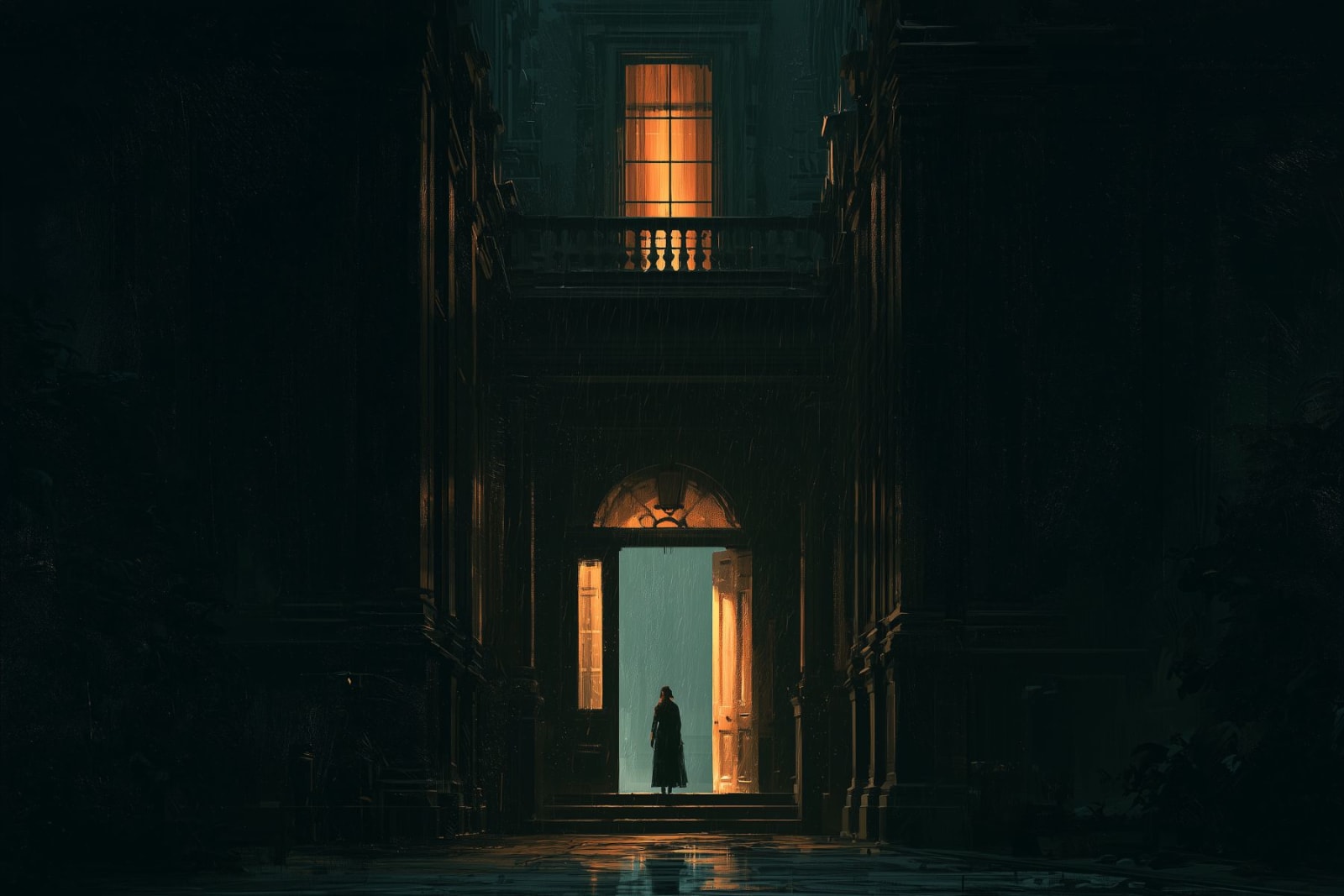
A Gothic setting is not merely a dark room, an old house, or a landscape in bad weather.
It is a system of pressure.
The architecture controls movement. A corridor delays arrival. A locked door turns knowledge into a risk. A window offers a view without offering escape. The house remembers what its inhabitants would prefer to bury, even when the memory is carried through objects, routines, or unexplained absences rather than ghosts.
Setting also distributes information. One character knows the upper rooms; another is confined to the entrance hall. Someone hears movement behind a wall but cannot see its source. The reader receives the same space in fragments, learning its shape through fear, repetition, and failed attempts to master it.
The Gothic place is therefore active without becoming a character in the simple sense. It creates consequences. It narrows choices. It makes the past difficult to separate from the present.
Ask what the setting makes possible:
What can be hidden here?
Who is allowed to move freely?
Which history has been built into the space?
What would change if the character could leave?
Atmosphere is the effect. Pressure is the structure beneath it.